Category Archives:

change

Should you stay connected with everyone you have met?

LinkedIn has a feature that I haven’t used, until this week. It is the “See Who You Already Know on LinkedIn” utility that offers to send invites to people whose email addresses are stored in your email account. 

A way to conveniently extend your LinkedIn community to people you know seems like a good idea. Why not send invites to people you have emailed in the past?

On Saturday, I decided to investigate this function. I was curious about how it worked and whether I could filter my email connections for those I wanted to connect with.
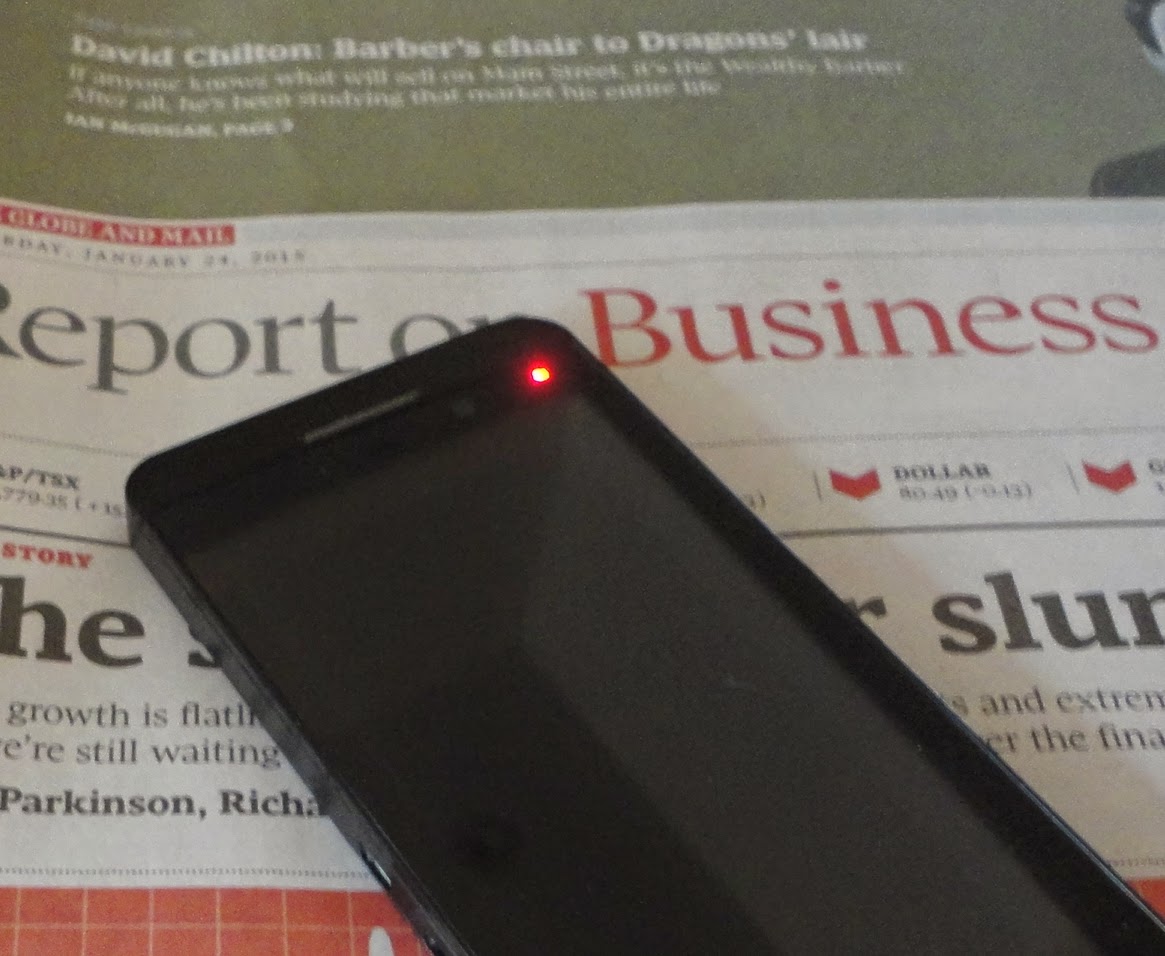
I hit “continue” in the pop-up menu and instantly had second thoughts–what about all the people who are copied on business emails? I decided to exit the window, no harm done.

Immediately, I noticed the red email indicator light up on my Blackberry. I looked at my email (a Pavlovian response) and saw two acceptances of my LinkedIn invites. Oh no. I was mortified. 

I had sent LinkedIn invites to everyone who has been copied on an email in my Gmail and Outlook accounts since the beginning of time–presidents of client organizations, professors, dentists, plumbers, you name it.

The acceptances kept coming in. How many invites were sent out, I wondered. How many were ignored? It felt like a popularity contest. 

The more the acceptances arrived, the more relaxed I became about my invitation bonanza. It’s only an invitation to connect, I rationalized.

Most people I recognized and was glad that we were now connected. I was surprised that I wasn’t already connected with others. Some I wouldn’t have sent invites to because either I didn’t have relationships with them or the invites might be viewed as requests inspired by personal gain. 

In total, I have received 60 acceptances in 6 days, a 4 percent increase in my total LinkedIn community.

Knowing what I know now, would I do it again? Absolutely. Like change management, my personal goal is to positively influence people to change how they think and act to be more successful. Influencing more people extends my influence, even if it has pushed me out of my comfort zone to achieve it. 

Helping someone decide whether to use a LinkedIn feature may seem like a small thing, but it might be more important to some readers, and that’s what makes writing this blog meaningful to me. You never know what influence you can have.

So should you try out this LinkedIn feature? The meaningful connections you gain might be worth it. They were worth it for me.

Phil

The Importance of Year-over-year Results

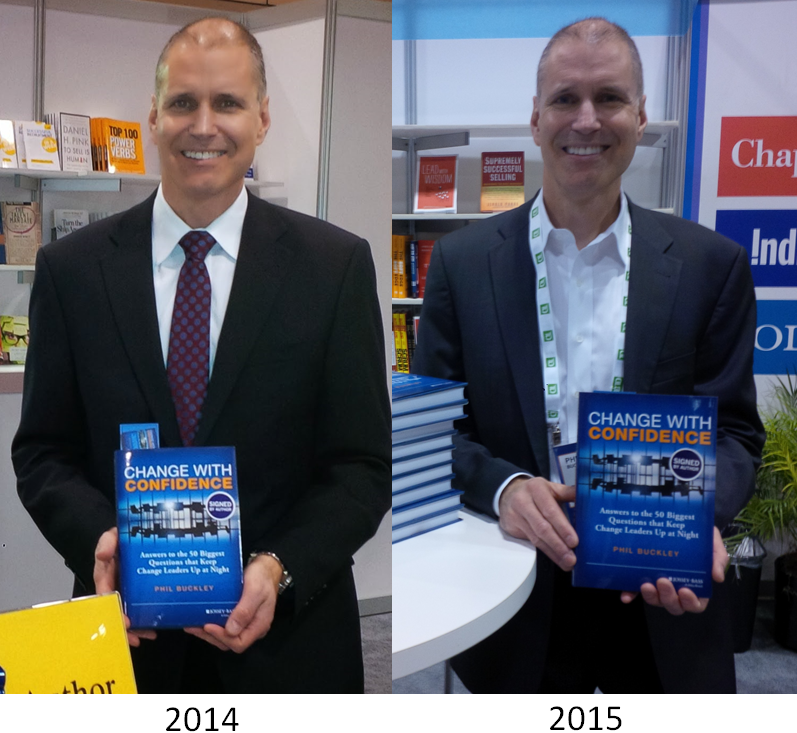
Yesterday, I gave a talk at the HRPA Conference, Canada’s largest annual human resources event.

After my session ended, I visited the conference bookstore to sign copies of Change with Confidence. As I was chatting with a bookstore employee, I realized I had done the same thing one year ago almost to the day. 

I am a fan of measuring year-over-year results, both professionally and personally. Finances, running statistics and adherence to guidelines get year end reviews.

What I hadn’t reviewed this year was the progress of my book. I reread a blog post I had written after the last conference for clues about what I was measuring. This was little help since my focus was on how I got to the conference in a three-day snow storm in New Jersey.

I do remember that the number of sales was very important to me. As a first time author, it was a tangible measure of acceptance, or the importance of my book. I checked often.


Also important were the number of reviews, interviews and the number of articles I got published. More concrete measures of approval.

As the year progressed my focus changed. The biggest accolade was a reader who emailed me to say how much my book had helped him. “Just what he was looking for,” was what he wrote. Also, a few professors had added it to their reading lists and a company believed in it enough to create an online course on the content, which meant a lot to me. 

My focus had changed from acceptance to influence. 

I hadn’t realized that my change in focus has affected my promotional efforts. It had become part of my decision making criteria for speaking engagements and the businesses and institutions I approach. 

I feel good about my progress and the types of results I will make this year.

Phil

10 Tips on How to Hold a Meeting in a Coffee Place


More and more I work with clients remotely, which is changing how I work. Email, phone, Skype and Google Hangouts are our modes of communication. I only meet my clients in-person when I am leading key meetings or workshops.


Since my face-to-face meetings are at my clients’ offices or their chosen off-site locations, I have no need for commercial office space. This expense would only add a commute to my life, reducing the amount of time I could work on my assignments.

I do have a need to meet with other consultants and contacts to work on projects or to network. For these meetings, coffee places are excellent. Chains like Starbucks, Costa and Tim Horton’s and independents offer a dynamic space with ample room and refreshments. They are inexpensive too. 

Here are some tips to make the most of your coffee place business meetings:

  • Pick a location that is easily accessible for all parties―commuting time is a cost for everyone
  • Visit the cafe before scheduling a meeting around the time you plan to meet―is there enough seating, is it too noisy, is it conducive to collaboration and conversation?
  • Check for wi-fi access―invariably someone will need to access something on the internet
  • Arrive early so you can find the best spot to sit―this week, I arrived second and five minutes late, which is bad form
  • Pick a spot away from the door―weather and constant traffic can be distractions
  • Offer to buy your meeting attendees coffee―it’s good form
  • Tip those who take your order―it’s a small recognition for the use of their space
  • Ask if you can check the time―it’s difficult to do surreptitiously and I always go overtime if I don’t
  • Offer to dispose of everyone’s cups, etc.―it’s a courtesy
  • Ask others if they liked the cafe as a meeting location―this could become a regular meeting spot or somewhere you won’t return to

Coffee places are excellent business meeting spots. This week, I had a meeting in a converted book store that had the old world charm of its 88 year history. It was a perfect backdrop for our conversation.

Phil

3 Words to Guide My Actions and Behaviours in 2015

The holidays is a perfect time to plan for the new year. I spent mine thinking of the three words that will guide my actions and behaviours to achieve my goals and live the life I want to lead.

An assessment of my use of last year’s words (Purposeful, Groundbreaking and Global) helped make my selection—when I used them well, when I didn’t and when I forgot them altogether. 

This year, I have vowed to use them for all substantial decisions on how I spend my time.

I realize that every decision impacts whether or not I am progressing against my goals. Everything counts. For example, if I agree to do something that is unplanned, the benefit must be greater than doing something else. It’s a choice. That’s why my first word is ‘Choiceful’. It will remind me of the implications of my decisions before I make them.

This year I want to grow by taking on new opportunities and challenges. This will require limiting the amount of activities that are repeats of things I have done in the past. New experiences and challenges are what I am motivated by this year.

My first two words will have limited impact if I don’t leave room in my schedule to seize opportunities. Michael Hyatt calls this creating margin. That’s why my third word is ‘Flexible’. I must keep enough room in my schedule so I can choose take on new experiences.

I felt the pain of zero margin over the past 3 months when I over-extended myself well beyond capacity. My cost was working non-stop, day and night, missing out on other parts of my life. I did it to myself and don’t want to do it again.

I am excited about my 3 word selections and how I will use them over the next 12 months. They are posted by my computer so I don’t forget them. I also plan to conduct a couple of check-ins over 2015 so I get the best use of them.

So what do you think? If you chose 3 words to help guide you in 2015, what would they be?

Phil

Why It’s Important to Take Stock of 2014

Media is filled with best and worst lists of 2014—best business books, worst movies, best “best of ” lists, etc. Although they are momentarily appealing, they only share one person’s subjective view of what good (or bad) looks like for the year. 

What is more valuable is a comparison of results to goals. This is the only meaningful way to measure success and learn from the process.

Measuring your yearly accomplishments allows you to assess whether you achieve your goals. It also allows you to reflect on what what worked and didn’t work and which approaches you should start, stop or continue to achieve next year’s goals.

I tried a new goal setting approach this year based on a blog post by Chris Brogan written on January 1st. He recommended choosing three words “that sum up what you want to work on changing/improving in the coming year”. It’s a simple and effective way to prioritize, make decisions and keep track of your progress.

I chose my three words over two weeks. It was important that each one connected to my purpose of helping people and organizations  be more successful by working in new ways. My three words are: purposeful, groundbreaking and global. I used them as guides as I choose how to invest my time.

Here’s my assessment of my ability to achieve each one:

 Purposeful

I had a purposeful year. The assignments I took on had meaningful goals, both for the organizations and people working on them—there were no ‘change for change’s sake’ initiatives. Also, I took on many speaking engagements that provided immediate, positive approaches for attendees, including people going through a downsizing initiative, managers trying to motivate not-for-profit volunteers and specialists seeking to have a voice during constant change.

Groundbreaking

This was not a groundbreaking year. I did do a few new things this year including working in new industries and partnering on a keynote presentation with another author. Both broke new ground and were successful, but didn’t reach the ‘earth shattering’ expectations I had set. I have learned that being groundbreaking in itself is not the goal, although things may be groundbreaking to achieve other goals.

Global

I had a global year, both from business and mindset perspectives. Ninety percent of my assignments were with global organizations working on global projects. They all held fascinating challenges (and rewards) of working across multiple geographies and cultures. I have also developed many new international relationships. It’s a global world and I feel good about my presence in it this year.

My analysis has taught me a lot about how choosing three words each year can guide my actions and behaviours. Taking stock at the end of the year is informing my next year’s word selection too. More on them later.

Phil

How to Minimize the "Get it done before the holidays" Syndrome

Christmas is my favourite time of the year. I get the opportunity to reconnect with friends and family, reflect on the year and plan for the next one. 

That’s my plan every December but it never seems to work that way. This is one of the busiest times of the year. Whether it’s achieving yearly goals or completing projects before the holiday, schedules are full and people are overloaded.

This year has been no different; projects have been sped up and one was even pressed to start before year’s end. Beyond the personal impact of working around the clock, there is a business cost to this rush: people aren’t doing their best work. 

Efficiency becomes the goal at the expense of effectiveness. Getting things done is more important than doing things well. The closer you get to the office closing, the more short cuts are taken. At worst, commitments become check box exercises with the intention of reviewing them after the holidays. 

If the pre-holiday season is an environment where people don’t do their best work, how do you avoid this “get it done before the holidays syndrome”? Here is a checklist to minimize the effect:

  • Assume that 25 percent of your time in December will be spent on last-minute requests
  • Avoid scheduling important meetings one weeks before the holidays
  • Don’t schedule training sessions two weeks before the holidays—attention is low and attendance is a challenge
  • For meetings that you must hold just before the holidays, send action items out within 24 hours along with an invite to review them in early January—people will forget them
  • Ask when people are returning from holiday—it might not be the first day back
  • Be patient with your colleagues and yourself—most are caught up in the holiday rush. 
Following these practices may even give you the opportunity to reconnect with friends and family, reflect on the year and plan for the next one. Happy holidays!

Phil
Page 3 of 17« First...234...Last »

Take Action

Ask us a question about your change

    Your Name (required)

    Your Email (required)

    Subject

    Your Question


    Get the newsletter
    Change With Confidence
    Please type your name and email address and click on "Send". We will add you to our newsletter distribution list. Thank you.


    Get Change with Confidence
    Change With Confidence

    Get Change on the Run
    Change With Confidence